The Unbundling Rumor: NVIDIA, AIBs, and the VRAM Question

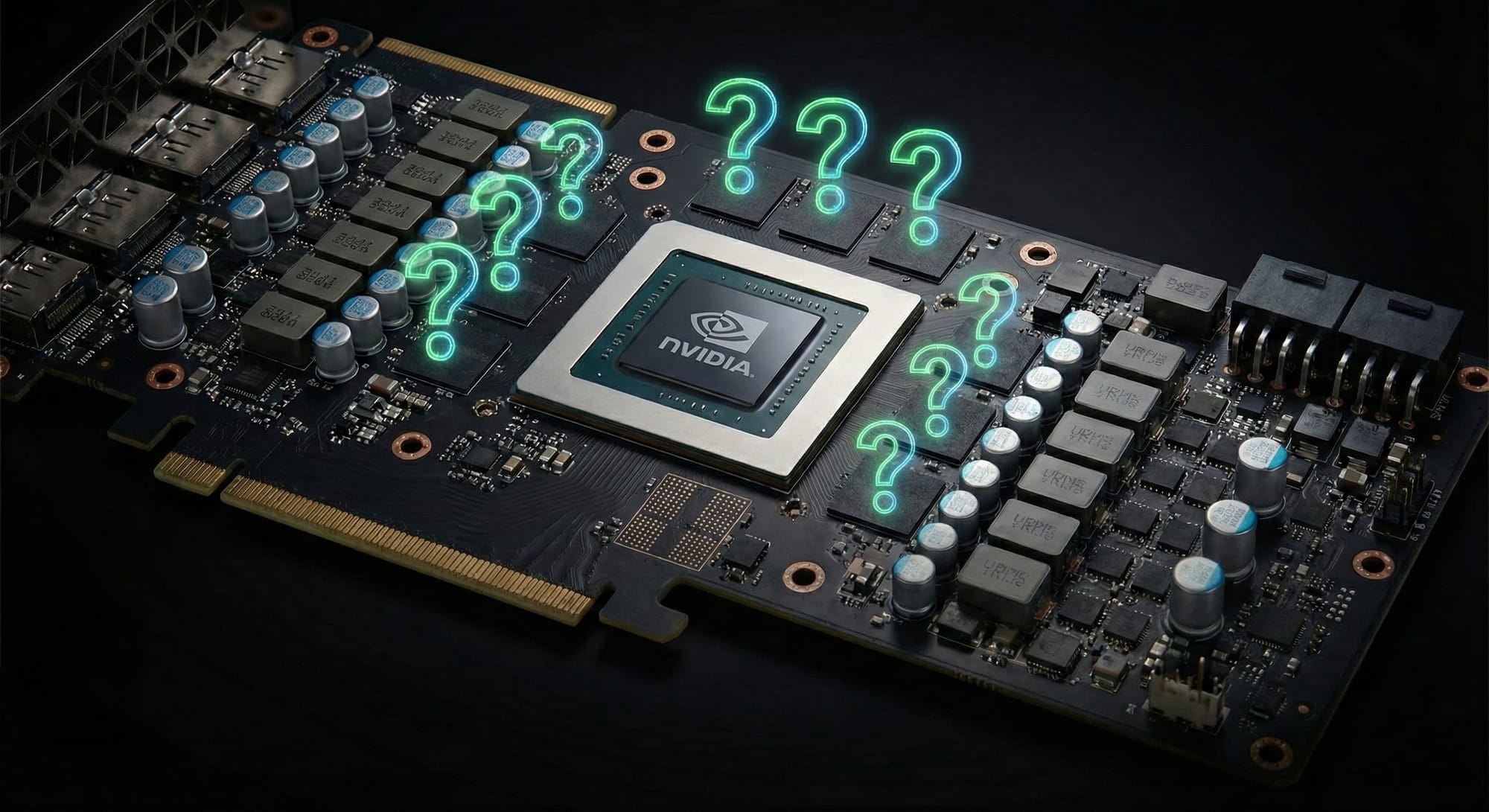
In the traditional graphics card supply chain, consistency has been a key feature. For years, when Add-In Board (AIB) partners like ASUS, MSI, or Gigabyte purchased GPU dies from NVIDIA, they typically received a "kit." This bundle included the GPU processor itself along with the necessary Video RAM (VRAM) chips, secured by NVIDIA through massive bulk contracts with memory fabricators like Samsung, Micron, and SK Hynix.
Recent industry reports, however, suggest a significant shift in this dynamic. Rumors indicate that NVIDIA may be planning to, or has already begun to, stop bundling memory with its consumer GPU dies. Under this new model, board manufacturers would purchase the GPU die alone and would be responsible for sourcing their own GDDR memory modules on the open market.
While this may sound like a backend logistical change, it introduces several variables that could impact the end consumer.
The Cost of Independence
The most immediate implication of this shift is financial. NVIDIA commands immense purchasing power, allowing them to secure memory at prices that smaller entities cannot match. By unbundling the VRAM, NVIDIA offloads the risk of memory inventory management to the board partners.
If AIB partners are forced to negotiate their own contracts, potentially competing against each other and the booming AI sector for limited GDDR supply, their Bill of Materials (BOM) will likely increase. In the low-margin hardware business, increased manufacturing costs are almost invariably passed down to the consumer. This could result in a higher MSRP for mid-range and high-end cards, or a wider price gap between "budget" partner cards and premium models.
The Return of the "Memory Lottery"?
When NVIDIA controlled the memory supply, there was a baseline of uniformity. Unbundling could reintroduce a "memory lottery" to the GPU market.
If manufacturers are sourcing their own chips, we may see a wider variance in the memory used across different batches of the same card model. One production run might use Samsung modules, while the next uses Micron or SK Hynix, depending on spot pricing and availability at the time of assembly. While all modules must meet JEDEC and NVIDIA specifications to function, differences in overclocking headroom, voltage tolerance, or thermal characteristics could vary between batches.
Builder’s Tip: For users who rely on Configurine to filter for specific performance metrics, this adds a layer of complexity. A specific model number might technically remain the same while the underlying memory components shift, so paying attention to batch reviews will be critical.
Will We See Standalone VRAM for Users?
A common question arising from this news is whether board partners might adopt a modular approach, allowing consumers to install their own VRAM similar to system RAM on a motherboard.
Currently, this is highly improbable for desktop gaming GPUs. The signal integrity required for modern GDDR6X and GDDR7 memory is extreme. To achieve bandwidths exceeding 1 TB/s, memory chips must be soldered millimeters from the GPU die to minimize latency and electrical interference. Introducing a user-accessible socket adds physical distance and resistance that would likely cripple performance.
However, the industry is experimenting with solutions like LPCAMM2 in the laptop space, which reduces the footprint of modular memory. While we are unlikely to see "socketed VRAM" on consumer graphics cards in the near future, board manufacturers might explore alternative soldering configurations such as putting memory on both sides of the PCB (clam-shell mode) or to offer double-capacity "Creator" editions of standard cards, provided NVIDIA’s BIOS allows for it.
What to Watch For
If this un-bundling becomes the standard, brand reputation for component sourcing will become a more critical factor in buying decisions. We recommend looking beyond launch-day reviews and checking for long-term analyses that verify if a manufacturer is maintaining consistent component quality throughout a card's lifecycle.
As the market adjusts, we will continue to update Configurine with the latest specifications to help you navigate these changes.