The LG UltraGear 32GX870B is almost here.

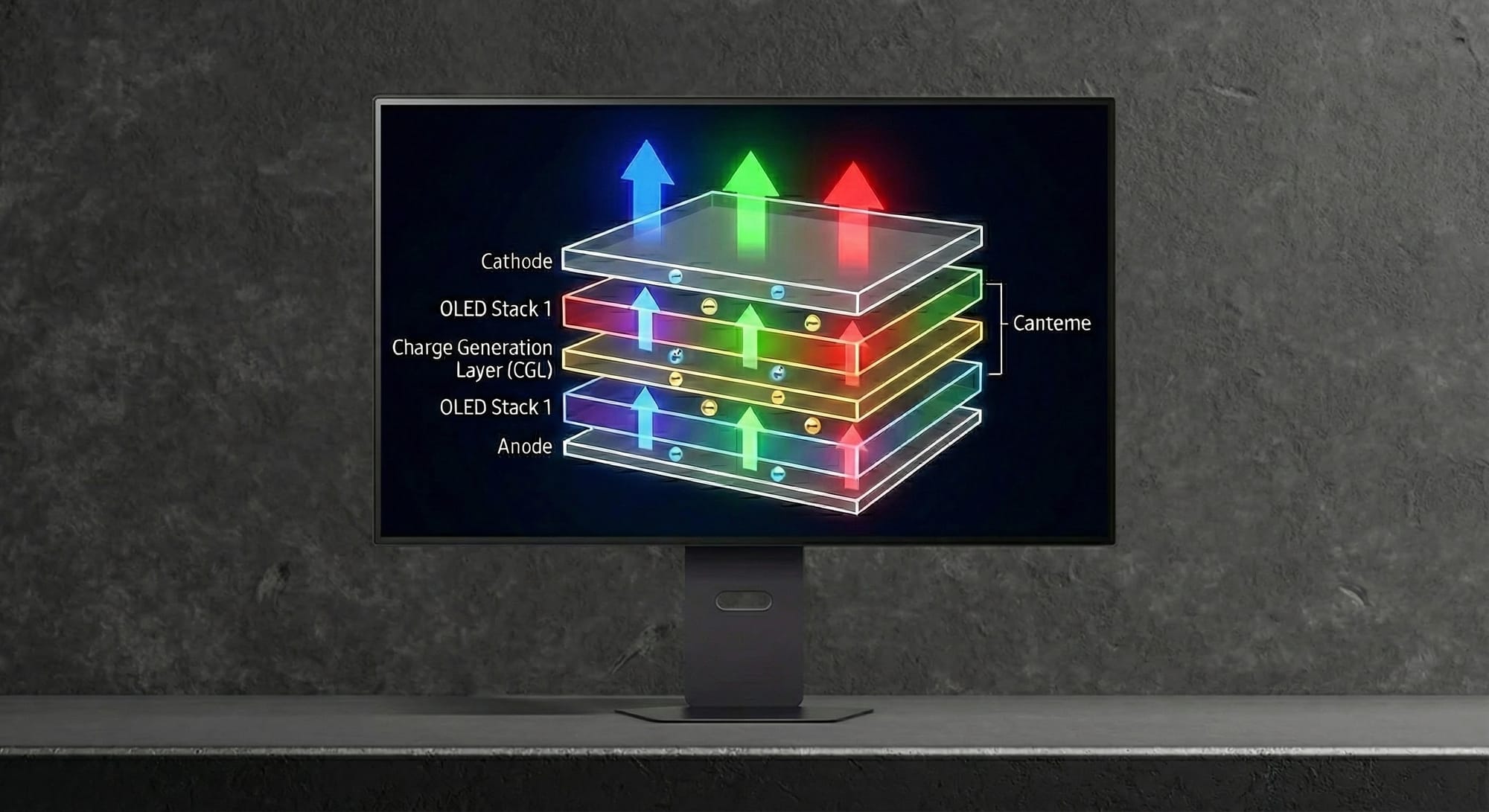
here's a new monitor coming from LG, and it marks a specific shift in how they are approaching OLED panel durability and brightness.
The newly announced LG UltraGear 32GX870B is a 32-inch, 4K display. On paper, the resolution and refresh rate specifications might look familiar to those who have tracked the last year of OLED releases, but the underlying panel technology is different. This is LG’s first 32-inch monitor to utilize Tandem WOLED technology.
Here is a breakdown of the specifications and what the Tandem designation actually means for the end user.
What is Tandem OLED?
Until recently, most consumer OLED monitors used a single layer of organic light-emitting diodes. While effective, this single layer bears the full load of brightness generation, which can accelerate wear and tear, colloquially known as "burn-in."
Tandem OLED (specifically the 4th Gen "Primary RGB Tandem" WOLED panel used here) stacks two light-emitting layers on top of one another.
- Brightness Distribution: By splitting the energy load across two layers, the panel can achieve higher brightness levels without running the diodes as hard as a single-layer panel.
- Durability: The primary benefit for most users is longevity. Because the components are under less stress to produce the same amount of light, the risk of burn-in is theoretically reduced compared to previous generations.
The Specifications
The 32GX870B carries over the dual-mode feature seen in the previous "A" variants, allowing users to switch between high-resolution and high-refresh-rate modes depending on the application.
- Panel Type: Tandem WOLED (with Micro Lens Array+ technology)
- Resolution & Refresh:
- 4K UHD (3840 x 2160) at 240Hz
- FHD (1920 x 1080) at 480Hz (Dual Mode)
- Response Time: 0.03ms (GtG)
- Peak Brightness: Rated for VESA DisplayHDR True Black 500 (estimates suggest peak brightness near 1300-1500 nits, though sustained brightness will be lower).
- Connectivity:
- DisplayPort 2.1 (UHBR20 tier)
- HDMI 2.1
- USB-C (with 90W Power Delivery)
Note on Compatibility: DisplayPort 2.1 is currently only fully utilized by specific modern GPUs. If you are planning a build around this monitor, cross-reference your GPU's output capabilities on Configurine to ensure you aren't paying for bandwidth you can't use.
Design and Build
The chassis remains consistent with LG’s current industrial design: minimal bezels and a subdued back panel. Unlike some of the louder "gaming" aesthetics on the market, the 32GX870B is relatively understated.
It features a height-adjustable stand that supports tilt, swivel, and pivot. For those using monitor arms, it retains the standard VESA 100x100 mounting compatibility.
Practical Application
For productivity, the 4K resolution at 32 inches provides a pixel density of roughly 140 PPI. This is generally considered the "sweet spot" for Windows scaling, allowing for sharp text without requiring excessive UI magnification.
For gaming, the Dual Mode function is the differentiator. It allows the monitor to serve two distinct roles: a 4K display for graphical fidelity in single-player titles, and a 1080p/480Hz display for competitive shooters where motion clarity takes precedence over resolution.
Conclusion
The LG 32GX870B is an iterative but significant step for LG’s monitor division. While the resolution and refresh rates are becoming standard for this bracket, the move to Tandem OLED suggests a focus on the long-term reliability of the panel.
Pricing and specific regional availability have not yet been finalized. We will update this post or the main tracker on Configurine once retail units begin shipping.